Tata Ace EV 1000 Electric Mini Truck Bringing a New Change to Urban Logistics
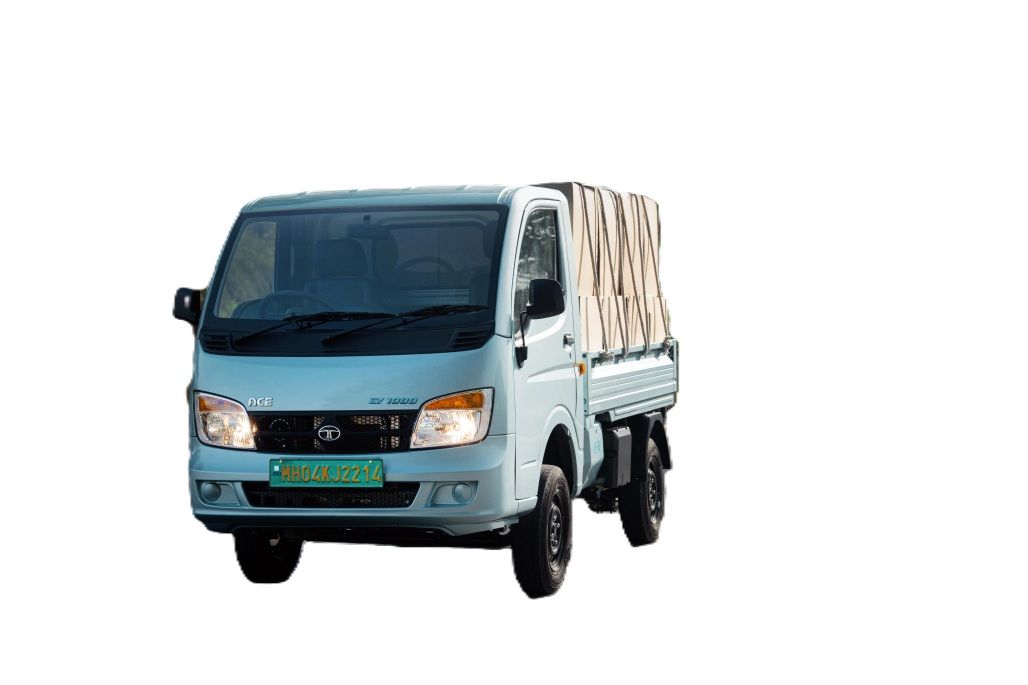
Tata Motors has strengthened its presence in the electric commercial vehicle segment with the Tata Ace EV 1000. Designed primarily for urban transportation and last-mile deliveries, this electric mini truck combines practical cargo-carrying ability with an electric powertrain. It is aimed at businesses that need a compact vehicle for daily goods transportation while looking for an alternative to conventional diesel-powered mini trucks.
Tata Ace EV 1000 Powerful Electric Performance
The Tata Ace EV 1000 uses an electric powertrain designed for regular commercial operations. One of the biggest advantages of an electric motor is the availability of instant torque, which helps the vehicle move smoothly from a standstill. This can be particularly useful for delivery operations involving frequent stops and starts in busy city traffic.
The quiet operation of the electric motor also creates a more comfortable driving environment compared with traditional internal-combustion commercial vehicles.
Battery And Driving Range
The Ace EV 1000 has been developed around the requirements of daily commercial users. Its battery system is designed to support regular urban delivery operations, although the actual driving range can vary depending on payload, traffic conditions, road surfaces, driving style and weather.
For fleet operators, predictable daily routes can make an electric mini truck easier to manage because charging can be planned according to the vehicle's operating schedule.
1,000 kg Payload Capability
A major highlight of the Tata Ace EV 1000 is its ability to carry up to around 1,000 kg of cargo. This makes the vehicle suitable for several applications, including grocery transportation, FMCG deliveries, agricultural products, e-commerce shipments and other urban logistics requirements.
Its compact dimensions also make it practical for navigating narrow streets and congested areas where larger commercial vehicles can face difficulties.
Useful for Last-Mile Delivery
The rapid growth of e-commerce, online grocery services and local delivery businesses has increased the importance of efficient last-mile transportation. The Tata Ace EV 1000 is positioned as an electric solution for businesses that operate vehicles on fixed urban routes.
For operators who can arrange regular charging, an electric commercial vehicle can potentially reduce dependence on conventional fuel and help lower day-to-day operating expenses.
Comfortable Driving Experience
The vehicle focuses not only on cargo transportation but also on driver convenience. The electric powertrain produces significantly less mechanical noise and vibration than a conventional engine, helping create a smoother driving experience.
See Also This: Tata 610 SFC Price Engine And Mileage
For drivers spending several hours on the road every day, reduced noise and smoother acceleration can make regular delivery duties more comfortable.
Maintenance Advantages
Electric commercial vehicles have fewer moving mechanical components than conventional internal-combustion vehicles. The Tata Ace EV 1000 therefore avoids several engine-related maintenance requirements, such as engine oil changes and certain engine components associated with diesel powertrains.
However, battery health, charging infrastructure and regular vehicle inspections remain important for maintaining dependable performance over the long term.
Tata Ace EV 1000 A Practical Electric Commercial Vehicle
The Tata Ace EV 1000 represents the growing shift toward electric mobility in India's commercial vehicle industry. Its combination of compact dimensions, approximately one-tonne payload capacity and electric powertrain makes it suitable for businesses operating in urban logistics.
As charging infrastructure continues to expand, electric mini trucks could become increasingly relevant for delivery fleets and small businesses. The Tata Ace EV 1000 therefore stands as a practical option for businesses looking to introduce electric vehicles into their daily transportation operations.