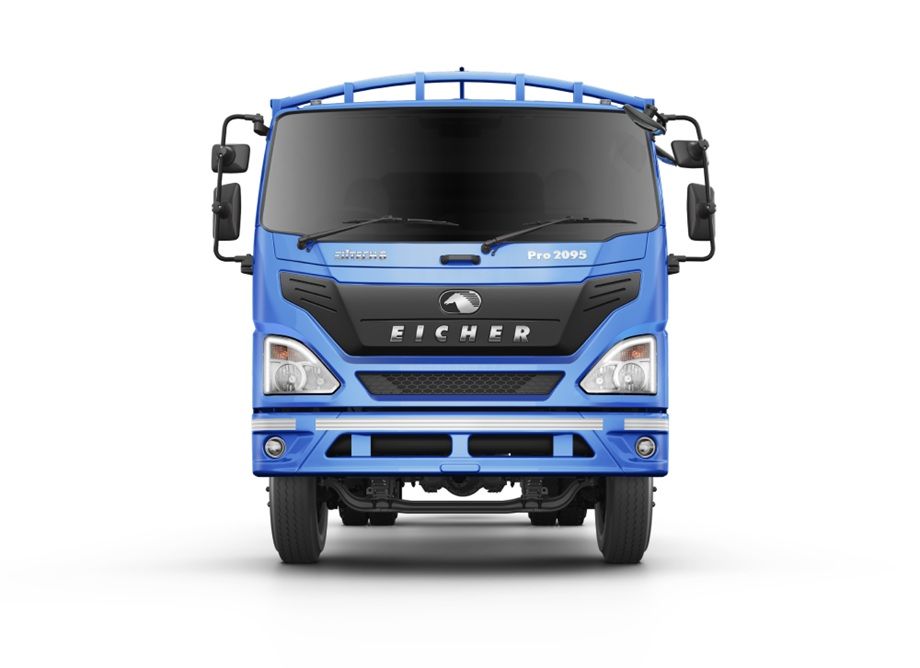
Eicher Pro 2095 A Practical Medium-Duty Truck Built for Modern Logistics
Eicher Trucks and Buses continues to target India’s evolving cargo transportation market with the Eicher Pro 2095, a medium-duty truck designed around a combination of operating efficiency, usable cargo space and driver-focused technology. The model sits in a segment where fuel consumption, uptime and ease of driving can directly influence the economics of fleet and owner-operator businesses.
Eicher Pro 2095 Performance
The current Eicher Pro 2095 is rated at a gross vehicle weight of 10,250 kg and uses Eicher’s 3.0-litre E474 turbocharged, intercooled common-rail diesel engine. The engine develops 90 kW of maximum power and 350 Nm of torque between 1,200 rpm and 2,500 rpm. Power is sent through a five-speed Eicher transmission with a hybrid gear-shift lever. These specifications give the truck a straightforward mechanical package for regular cargo operations.
One of the notable aspects of the Eicher Pro 2095 is its range of wheelbase and cargo-body configurations. Eicher lists 3,370 mm, 3,970 mm and 5,170 mm wheelbase options, while internal cargo-body lengths extend from 4,327 mm to 6,860 mm depending on the configuration. This flexibility allows the truck to be adapted for different transportation requirements rather than limiting operators to a single body format.
The truck is positioned for applications including beverages, cement, courier and logistics, fruits and vegetables, poultry and white goods. Such versatility is particularly relevant to regional distribution, where a vehicle may need to handle different cargo categories across urban and intercity routes.
Eicher Pro 2095 Features
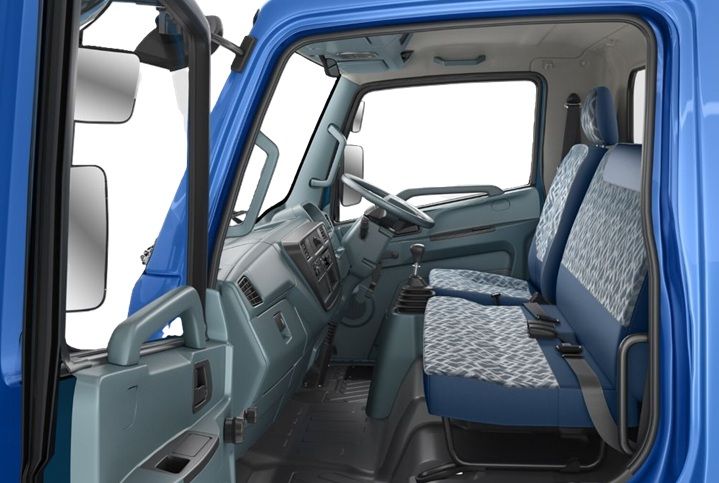
Driver comfort and operating assistance are another part of the Eicher Pro 2095 package. The truck gets tilt-and-telescopic power steering, while Eicher’s Fuel Coaching system is designed to guide drivers toward appropriate gear selection and engine-rpm ranges. The MBooster+ system provides different driving modes according to load and gradient conditions, while cruise control can help maintain a steady speed on suitable stretches of road.
Eicher Pro 2095 Fuel Tank Capacity
The Eicher Pro 2095 also uses a 190-litre anti-corrosive composite fuel tank and a grease-free semi-elliptical suspension with front shock absorbers. Eicher quotes a 24% gradeability figure and a ground clearance of 195 mm. Air-operated drum brakes are used for service braking, with pneumatic-assisted exhaust braking also available.
Eicher Pro 2095 Technology
Beyond specifications, the Eicher Pro 2095 reflects the growing importance of technology in the commercial vehicle sector. Features intended to support fuel-efficient driving can help reduce unnecessary operating costs, while ergonomic controls are aimed at making longer working hours less demanding for drivers.
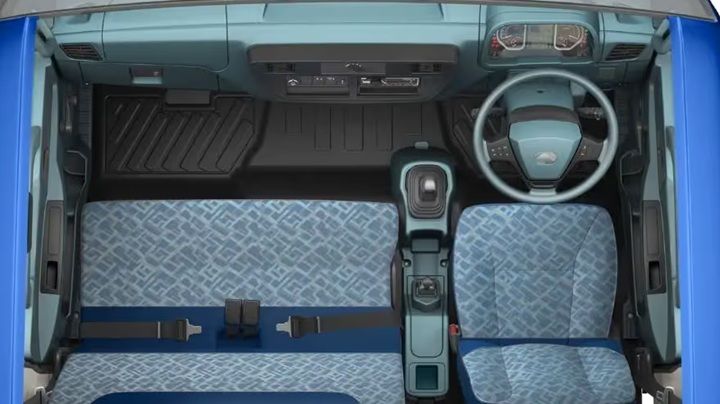
Eicher’s broader Pro range has increasingly focused on combining traditional commercial-vehicle priorities with connectivity, improved cabin ergonomics and configurable body options. The company’s newer Pro Plus range, introduced in 2025, also expanded this approach with products aimed at logistics, e-commerce and general cargo applications.
As India’s logistics network expands, demand is also becoming more diverse, with goods moving between warehouses, markets, production centres and distribution hubs. Trucks operating in this environment need to balance load-carrying ability with manoeuvrability and running costs. The Eicher Pro 2095 multiple configurations are intended to address that balance, giving buyers scope to select a setup based on route length, cargo volume and body requirements. Its combination of diesel powertrain hardware and driver-assistance features also keeps the focus on productivity rather than complexity.
See Also This: Eicher Pro 8035XM Tipper Price, Mileage, Engine
For operators seeking a truck for regular distribution work, the Pro 2095 therefore brings together a 10.25-tonne GVW platform, multiple wheelbase choices and technology focused on fuel-conscious driving. Its appeal lies less in a single headline specification and more in how these features combine to support day-to-day cargo transportation across varied operating conditions.